
Estate Planning Tool
Transfer-on-Death Deed in Texas
A transfer-on-death deed lets a Texas property owner name who inherits a specific piece of real estate without that property going through probate. It is a useful tool, but it only works correctly when it is recorded properly and coordinated with the rest of a family's estate plan.
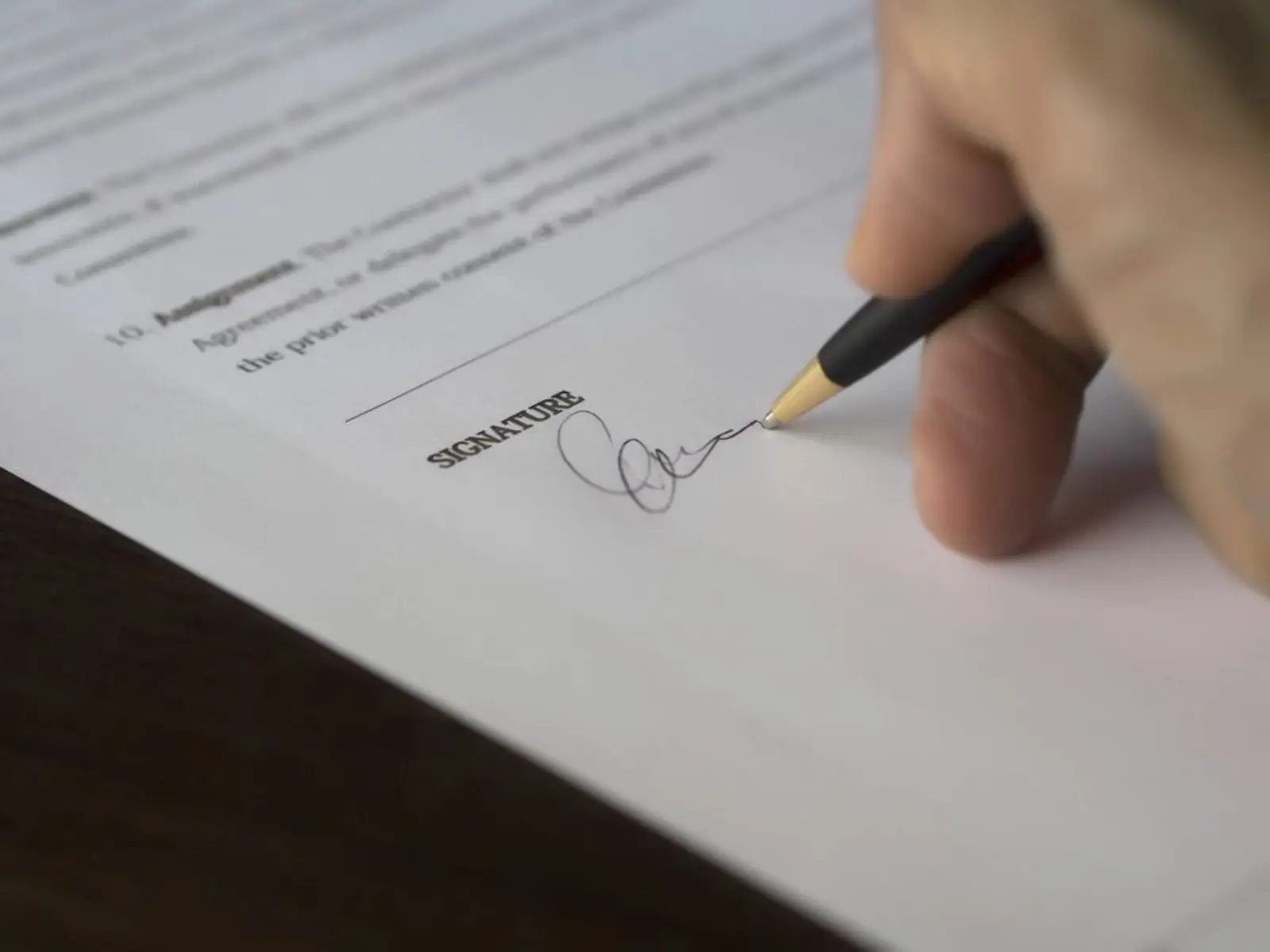
The deed must be signed and recorded before death
A Texas transfer-on-death deed is signed by the property owner and filed with the county clerk in the county where the property sits, while the owner is still alive. It names one or more beneficiaries who will receive the property automatically when the owner dies. If the deed is never recorded, or is recorded after death, it generally has no legal effect.

The owner can change or cancel it at any time
Unlike a lifetime gift, a transfer-on-death deed does not give the beneficiary any rights while the owner is alive. The owner can sell the property, take out a loan against it, or revoke the deed entirely without needing the beneficiary's consent. A new deed or a recorded revocation generally replaces the earlier one.

It avoids probate for that property, not the owner's debts
Property passed through a transfer-on-death deed generally does not go through the probate process, which can save the family time and cost on that asset. It does not erase what is owed on the property. A beneficiary who inherits a home still subject to a mortgage or lien generally takes the property along with that debt.
The deed controls over a will, with limits worth knowing
If a will and a transfer-on-death deed name different people for the same property, the deed generally controls because the property never becomes part of the probate estate. Texas law currently allows creditors of the deceased owner to bring claims against the transferred property for a limited window, generally up to two years after death. Families relying on Medicaid should also ask about estate recovery rules, since a transfer-on-death deed does not automatically shield the property from a state recovery claim.
What to prepare
The first call should turn a confusing legal issue into a clearer next step.
- Existing documents
Any current will, trust, power of attorney, or prior deed affecting the property, even if it looks outdated.
- The property itself
The county where the property sits, whether there is a mortgage or lien, and who currently holds title.
- Who you want to name
The beneficiary or beneficiaries you're considering, and how that choice fits with the rest of the family's plan.
Why Ted Smith Law Group
Ted has been certified in the fields of Residential Real Estate Law and Commercial Real Estate Law since December 1983.
- Local office in Killeen
- The firm is located on E. Stan Schlueter Loop in Killeen.
- 1976
- Ted Smith opened his Killeen practice after Fort Hood JAG service.
- 536
- Rated 4.6 stars by 536 clients on Google.Read the reviews
“Ted Smith and his legal assistants Carol and Crystal are highly recommended.”
Questions
Estate Planning Tool FAQ
Does a transfer-on-death deed avoid probate entirely?
It avoids probate for the specific property named in the deed, not for the rest of the estate. Other assets, such as bank accounts, vehicles, or additional real estate, still need their own planning to avoid or manage probate.
Can I still sell or mortgage the property after recording the deed?
Yes. The deed does not transfer any ownership or rights until death, so the owner keeps full control, including the ability to sell, refinance, or revoke the deed at any time.
What happens if the property still has a mortgage when the owner dies?
The beneficiary generally receives the property subject to the existing mortgage or other liens. The debt does not disappear, and the lender can still enforce it against the property after the transfer.
Can creditors go after the property after it transfers?
Generally yes, for a limited period. Texas law currently allows creditors of the deceased owner to make claims against transferred property, generally within about two years of death, so a transfer-on-death deed is not an automatic shield from the owner's debts.
Does a will override a transfer-on-death deed, or does the deed win?
The deed generally controls that specific property. Because a transfer-on-death deed moves the property outside the probate estate, a conflicting instruction in a will typically does not change who receives it.
Should I worry about Medicaid if I use a transfer-on-death deed?
It is worth asking about before relying on the deed. A transfer-on-death deed does not automatically protect property from Medicaid estate recovery, and the rules around this can be fact-specific, so this is a point to review with an attorney rather than assume.
Start the estate-planning conversation
Contact the office to discuss your legal matter and the next step.